Articles
Write-ups on how the images on this site get made: the gear, the capture, and the processing that turns a night of data into a picture. Each one sets out the steps and the settings I use, in the order I use them.
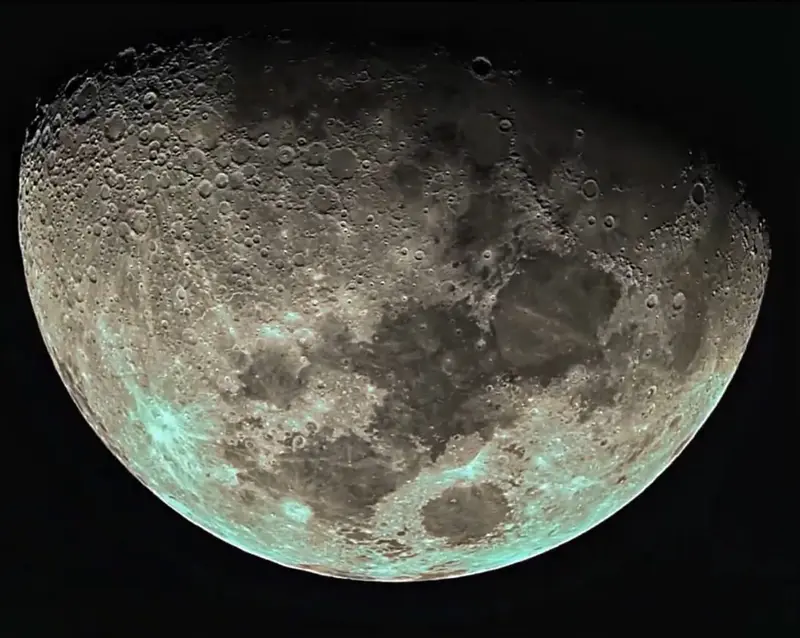
Photograph the Moon: The One Target That Works From Anywhere
It is bright enough to cut through a city sky, and it needs no tracking and no dark-site drive. How to tell whether it is up tonight, why the full moon is the worst night to shoot it, what the terminator gives you, and the settings to start from on a phone or a camera.
10 min read
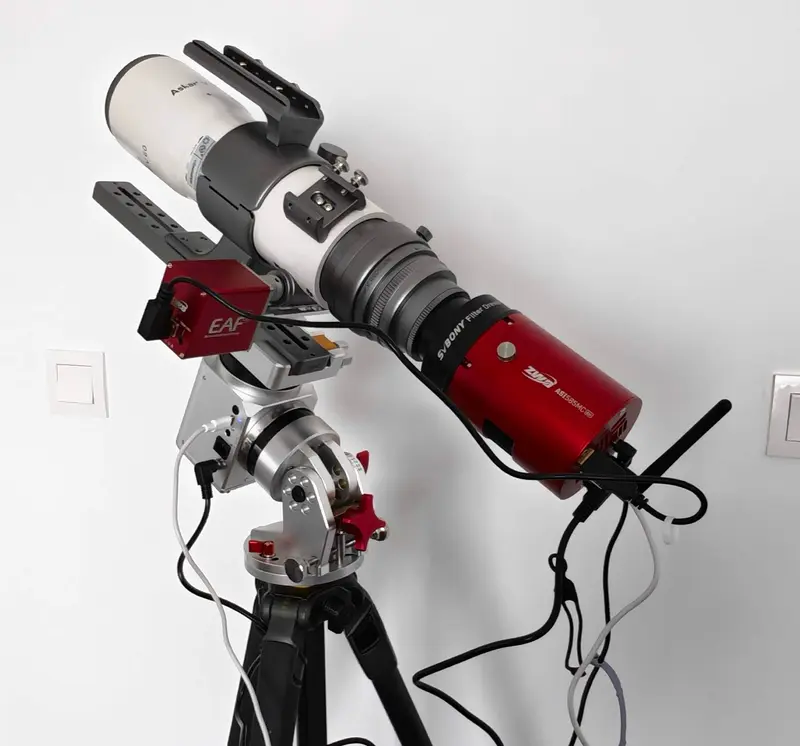
Imaging Deep Sky from a Bortle 8 Balcony
Most city astrophotography advice assumes a garden. A balcony takes away your view of Polaris, most of the sky, and half the night. Here is how to work with all three, and why it is still worth doing.
7 min read
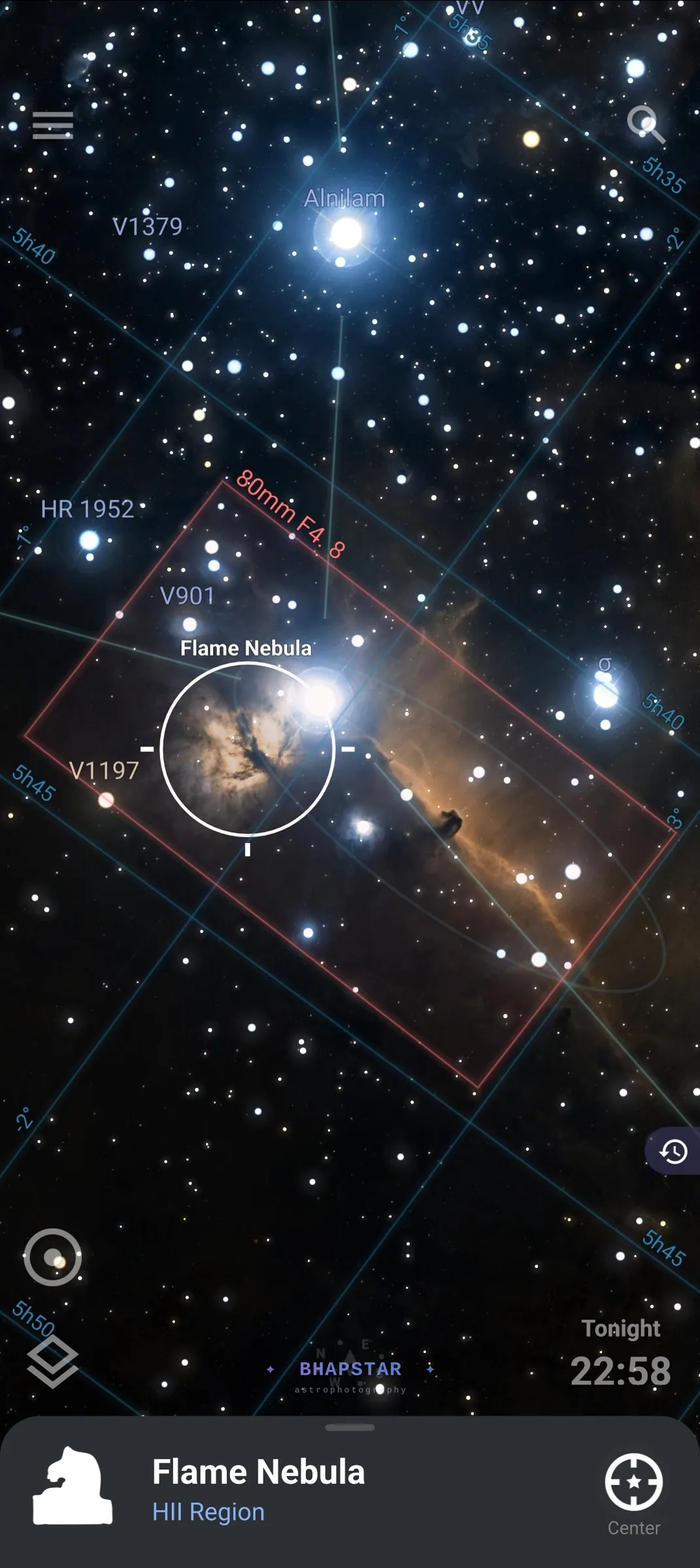
How I Plan Every Astrophotography Session Using Stellarium
The software I open before every session. What is up tonight, how high it gets, when it is highest, and whether it will actually fit inside the frame.
9 min read
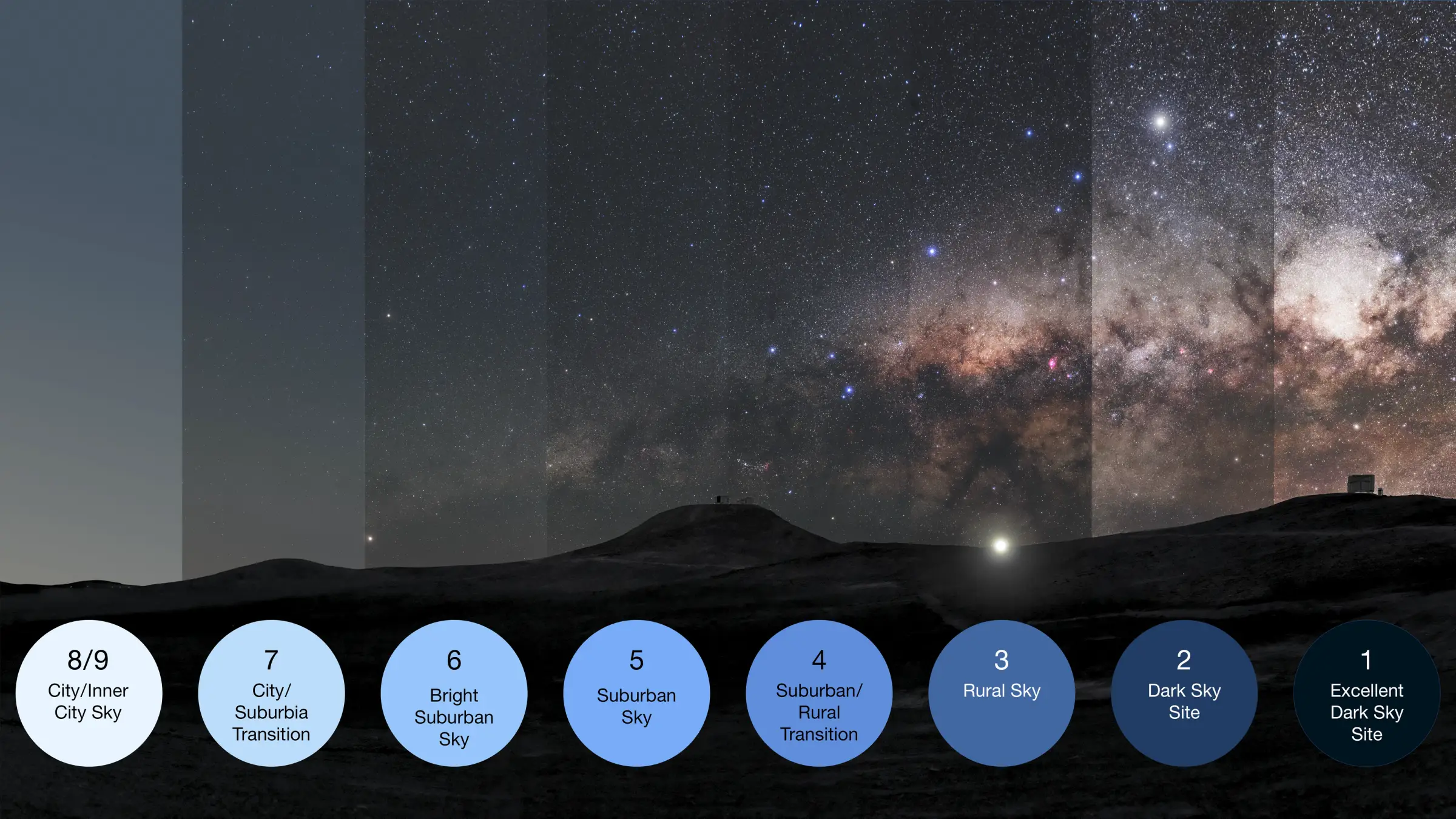
The Bortle Scale of Night-Sky Brightness and Light Pollution
Why a city sky buries a nebula instead of dimming it, how to score your own sky from one to nine tonight, and what 7nm and 3nm narrowband filters really do about it.
9 min read
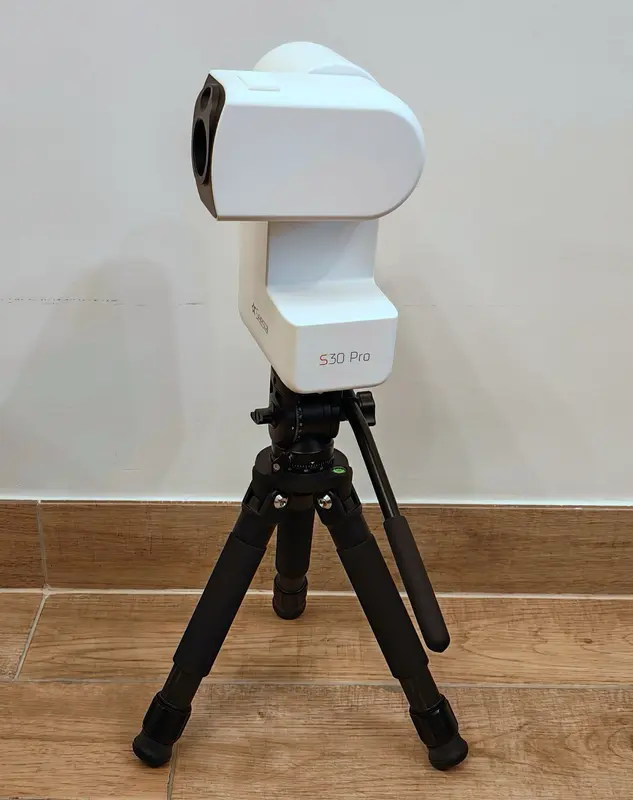
The Seestar S30 Pro: A Whole Observatory in a Shoulder Bag
Deep sky and the Milky Way from the same 1.65kg box. Why the dual-lens Pro changed which rig I actually carry, and where a 30mm aperture stops.
8 min read
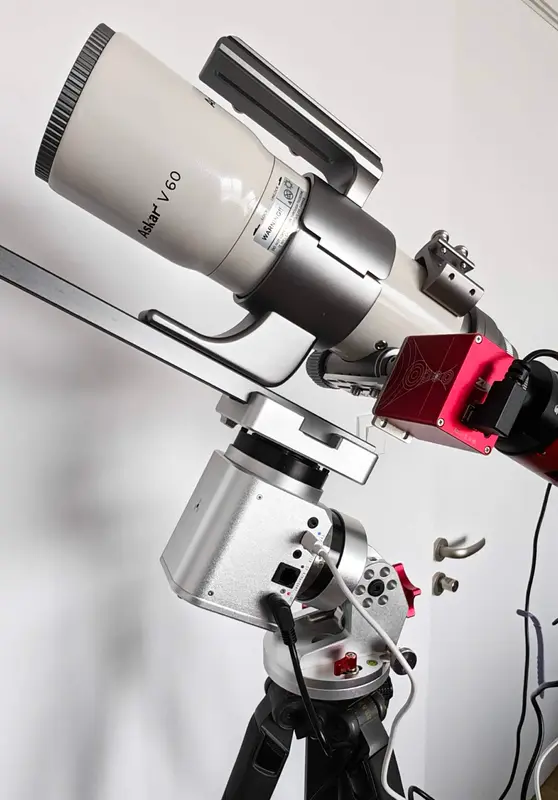
The Rig: A Mount, a Refractor, and a Camera That Runs Itself
A tour of the setup that takes every deep-sky image on this site. Why the mount has no counterweight, why the camera replaced a laptop, and how the whole thing runs all night on eleven watts.
8 min read
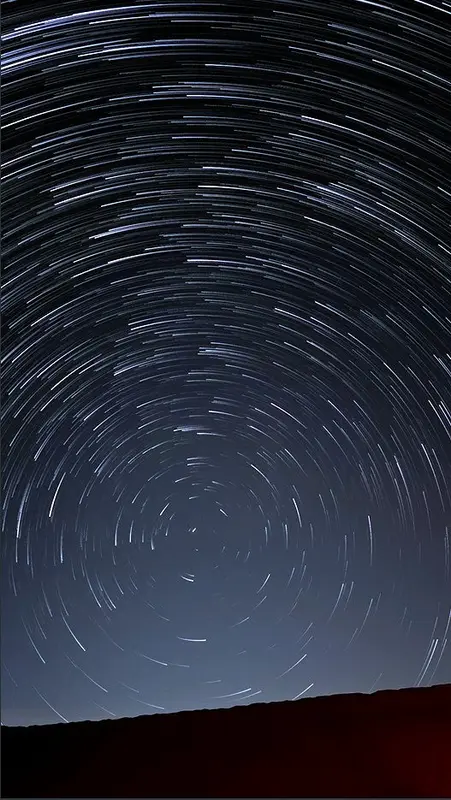
Navigating the Night Sky: Polaris, the Poles and the Lines Between Them
The sky is a giant ball and you are standing in the middle of it. How to find Polaris, why the south has no north star, and what the celestial equator and the meridian actually are.
6 min read
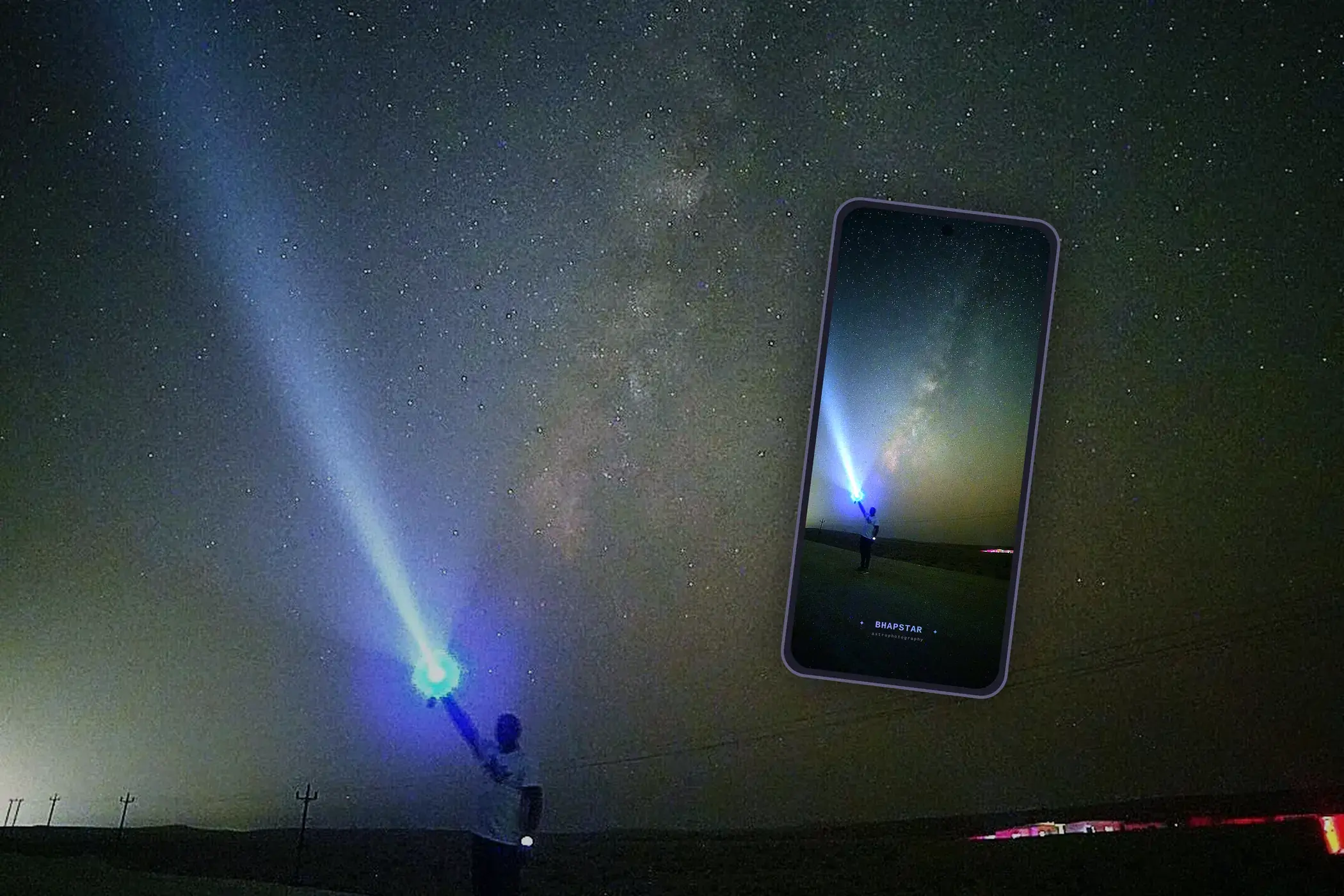
How to Photograph the Milky Way with Your Phone
No camera and no experience needed, just a phone, a small tripod and a dark sky. Where to look, which mode to use on an iPhone, Pixel or Samsung, and how to turn an hour of frames into a timelapse.
7 min read
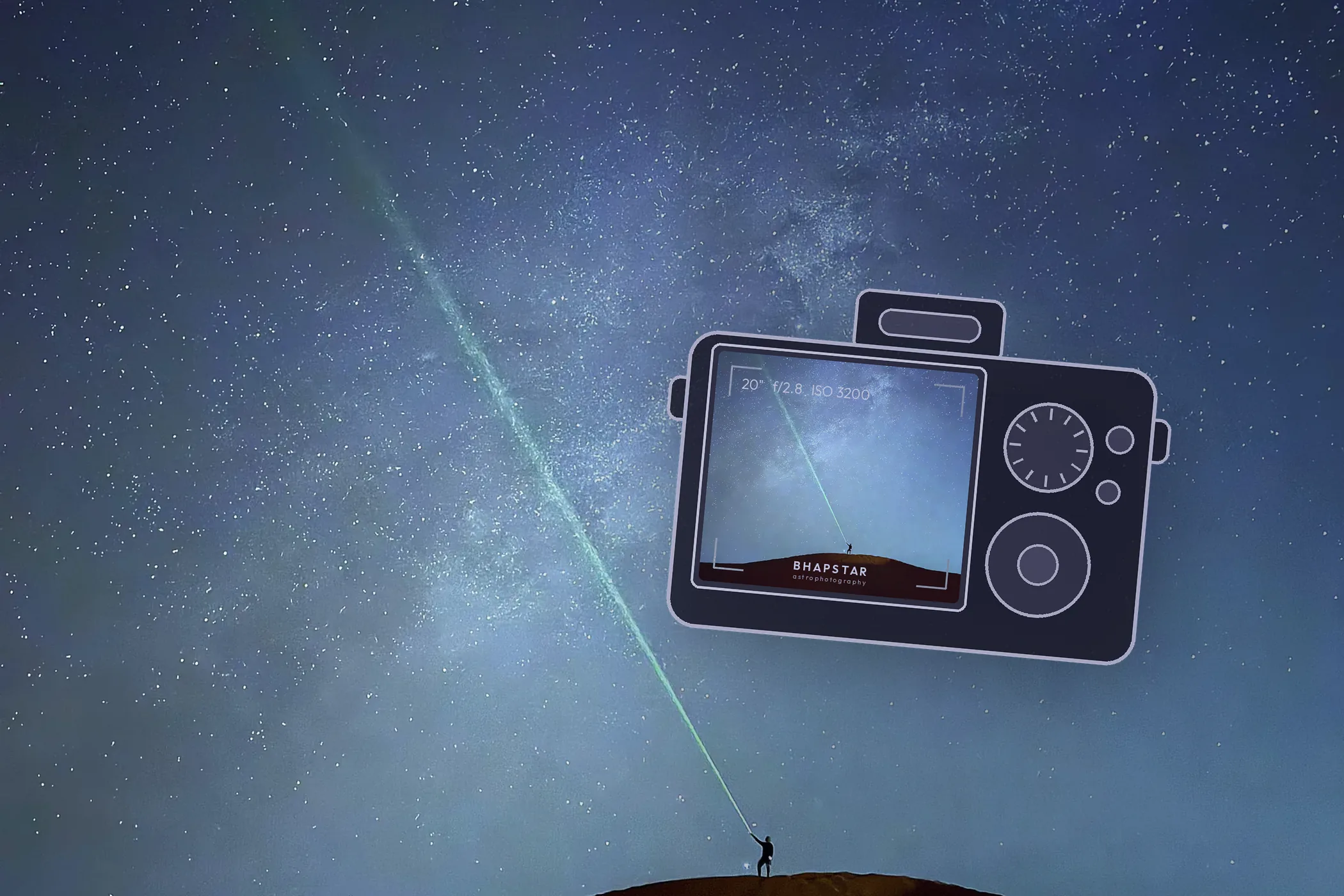
How to Photograph the Milky Way with a Camera
One wide lens on a tripod, set to manual, pointed at a dark sky. The settings to use, how long the shutter can stay open before stars trail, and how the same frames play back as a timelapse.
6 min read

How to Photograph a Meteor Shower
Which showers are worth staying up for, why you should point away from the radiant rather than at it, and why the trick is taking far more frames than feels sensible. Works with a phone or a camera.
6 min read
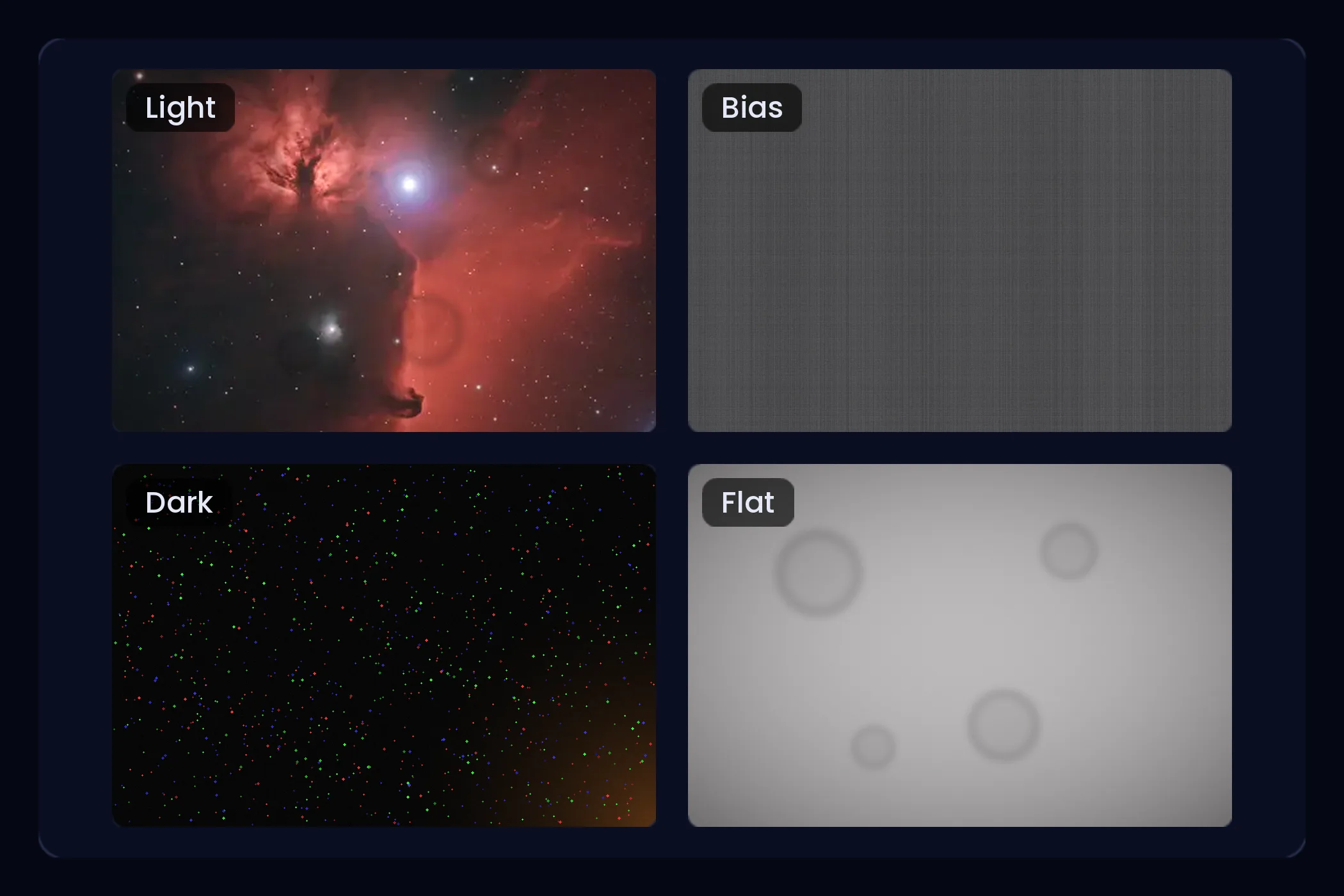
Calibration Frames (Darks, Flats and Biases): The Images That Are Not Photographs
What calibration frames actually are and what they remove, how to take each one, and why the flats are the ones that catch everybody out. Twenty minutes that decide the picture.
7 min read
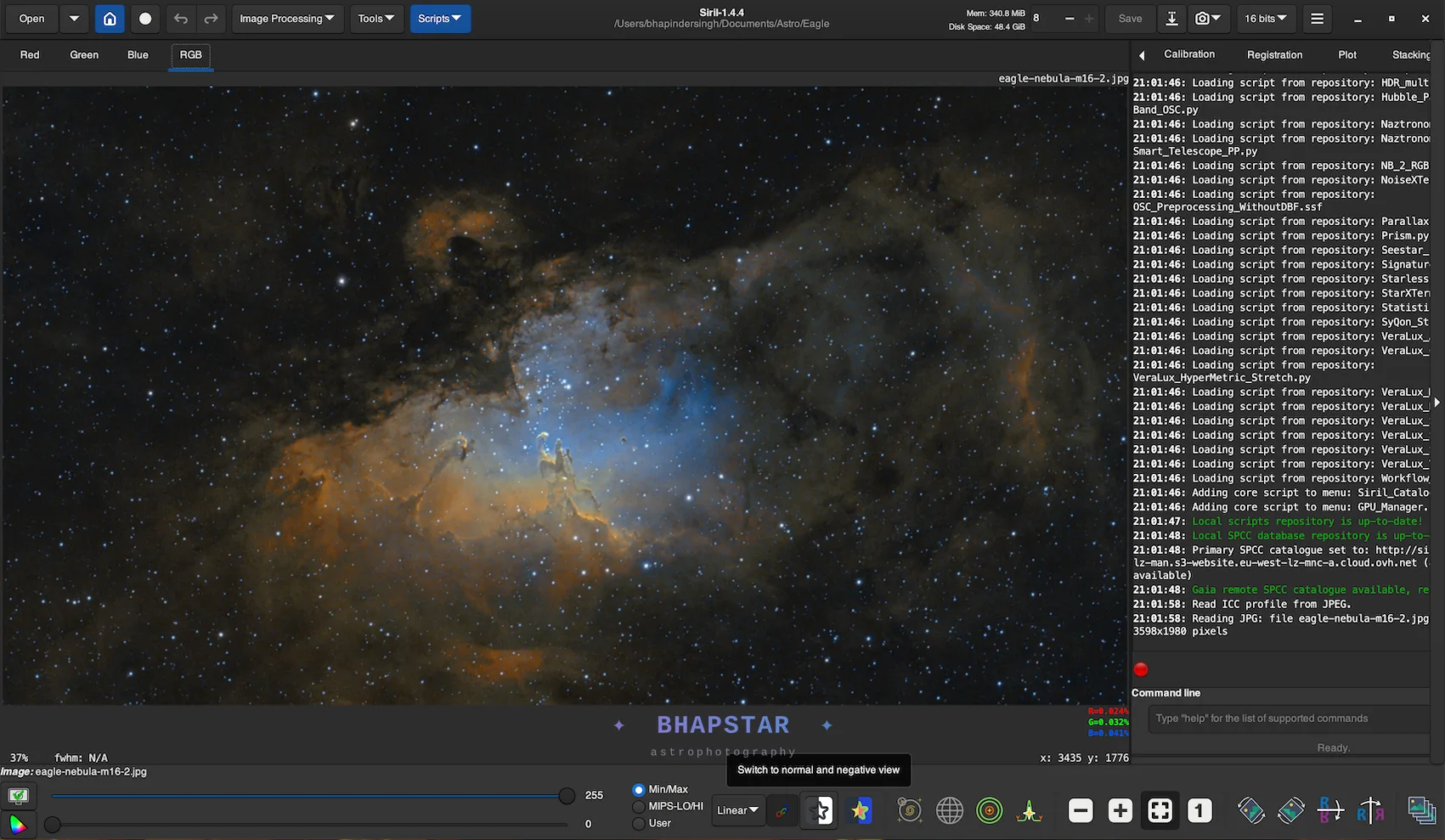
Siril: From a Folder of Subframes to a Finished Image
The free, open-source route from raw data to a finished picture. Calibration, stacking, and the one rule about stretching that quietly ruins images when it is broken.
9 min read
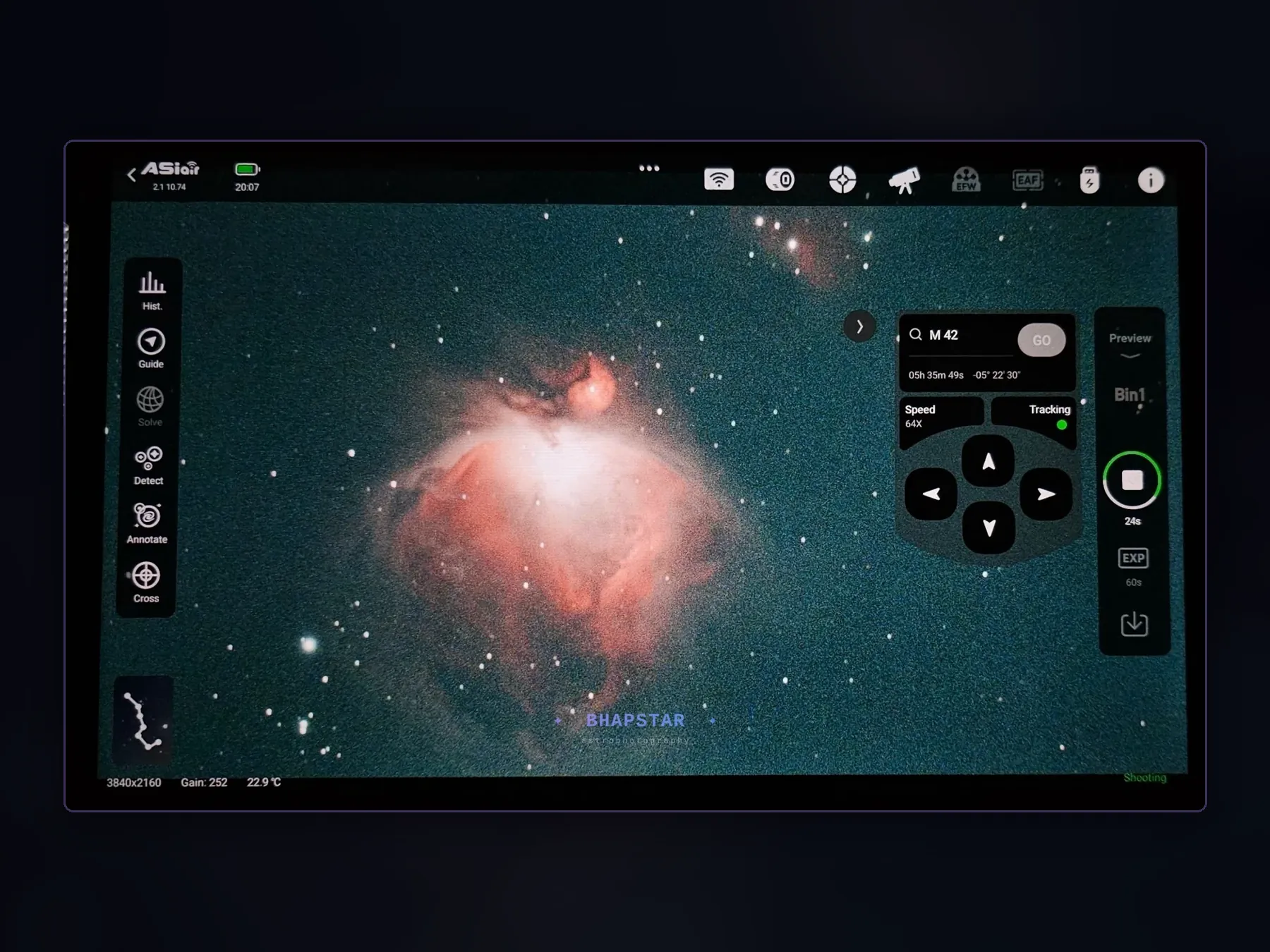
The ASIAir: Running a Whole Rig From Your Phone
Plate solving, autofocus, guiding and an unattended imaging plan, all driven from a handset. What the box does, the order a night actually runs in, and where the closed ecosystem bites.
7 min read